PLN(PLN)PLN
EUR(EUR)EUR | Free delivery from PLN 100
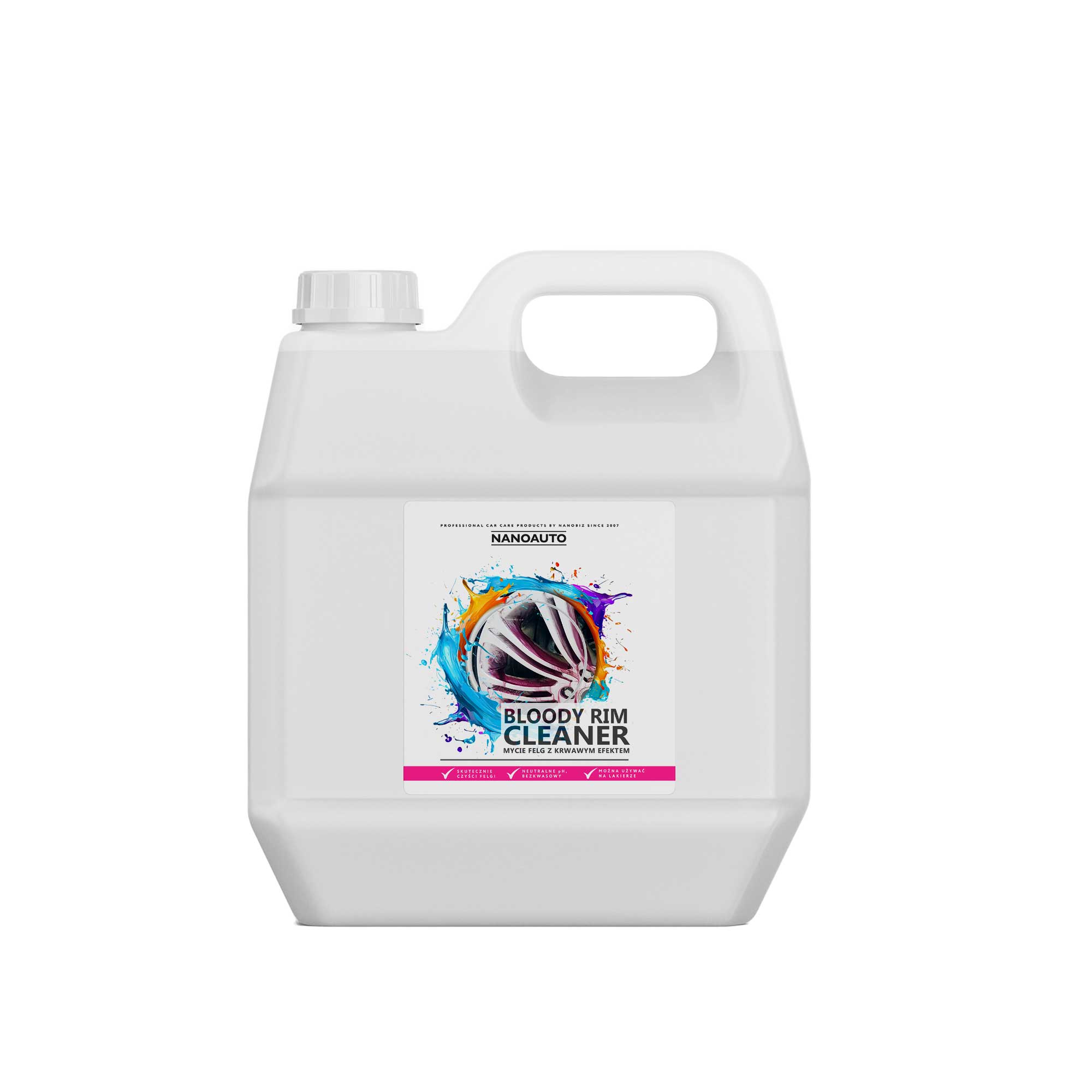
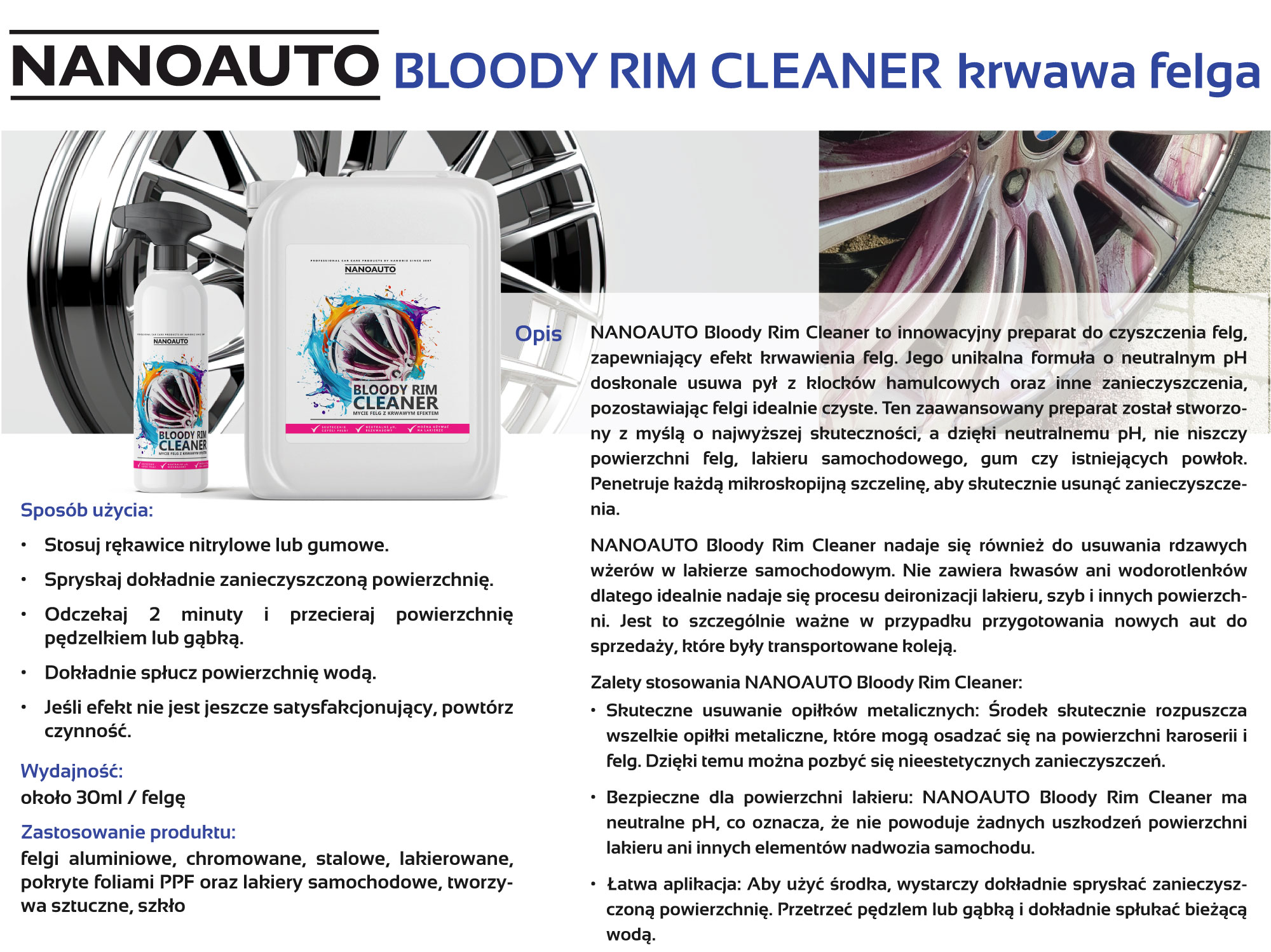
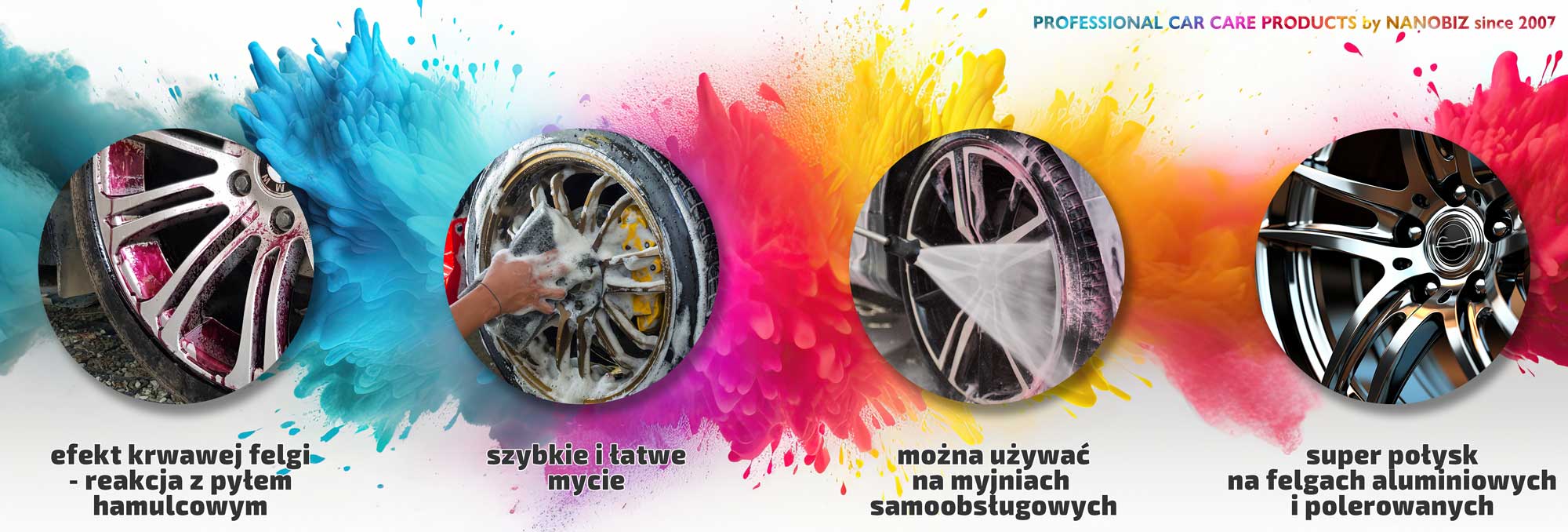
NANOAUTO Bloody Rim Cleaner is an innovative preparation for cleaning rims, ensuring the bleeding effect of rims. Its unique neutral pH formula perfectly removes brake pad dust and other contaminants, leaving the rims perfectly clean. This advanced preparation was created with the highest effectiveness in mind, and thanks to its neutral pH, it does not damage the surface of rims, car paint, rubber or existing coatings. Penetrates every microscopic crevice to effectively remove contaminants.


NANOAUTO Bloody Rim Cleaner is an innovative preparation for cleaning rims, ensuring the bleeding effect of rims. Its unique neutral pH formula perfectly removes brake pad dust and other contaminants, leaving the rims perfectly clean. This advanced preparation was created with the highest effectiveness in mind, and thanks to its neutral pH, it does not damage the surface of rims, car paint, rubber or existing coatings. Penetrates every microscopic crevice to effectively remove contaminants.
NANOAUTO Bloody Rim Cleaner also suitable for removing rust pits in car paint. It does not contain acids or hydroxides, so it is ideal for the de-ironization process of paint, windows and other surfaces. This is especially important when preparing new cars for sale that were transported by rail.
Advantages of using NANOAUTO Bloody Rim Cleaner:
How to use:

Efficiency:
about 30ml/rim
| Question | Odpowiedź |
|---|---|
| 1. Small red dots have appeared on the paintwork – is this volatile rust and can I safely remove it with just a "bloody rim" deironizer? | Most often it is volatile rust / metallic deposits (dust from brakes, railways, industry) embedded in the paint. In such cases deironizer jak NANOAUTO Bloody Rim Cleaner is the right choice: it dissolves metallic contaminants without the need for aggressive rubbing. Apply to cool paint, prevent drying, and rinse thoroughly. |
| 2. How to remove rust from white paint without dulling the coating and sanding the clear coat? | The key is chemistry instead of pressureFirst wash your car, then use NANOAUTO Bloody Rim Cleaner on a clean, cool surface. Do not scrub vigorously—allow the product to work, or lightly buff with a soft microfiber cloth/sponge, and rinse. If any residue remains after one cycle, repeat or consider claying. |
| 3. Before using the "bloody rim" on the paint, is a full wash + degreasing necessary, or is rinsing the car enough? | The best effect is given by full pre-wash and main wash (Road dirt can block the product's contact with the metal.) Rinsing alone can be an "emergency" solution, but it usually increases wear and reduces effectiveness. For a predictable result: washing → deironization NANOAUTO Bloody Rim Cleaner → rinse. |
| 4. Will the "bloody rim" cope with track tarnish/heavy brake dust, or does it need to be clayed or polished? | NANOAUTO Bloody Rim Cleaner removes metallic impurities, so with track dust it usually makes a big difference. However, if the metal has "eaten" into the paint or there are other deposits (resin, tar), you may need to supplement the process: deironization + (optional) tar remover + clay, and at the end, possibly a slight correction. |
| 5. After deironizing the paint, do I have to apply wax/sealant immediately, because the product may weaken the previous protection? | This is reasonable. Deironization is a stage of surface preparation and can weaken some of the previously applied dressings/waxes (especially the "soft" layers). After use NANOAUTO Bloody Rim Cleaner it is worth closing the issue with protection: a quick sealant, wax or coating topper. |
| 6. Will the "bloody rim" remove old, deep rust from steel rims, or is it just for the coating on the brake pads? | Deironizer is the best on brake dust and metallic deposits, as well as a light coating. Deep corrosion Steel rims are usually a topic for mechanics (brush/grinding wheel) and renovation (primer/paint). NANOAUTO Bloody Rim Cleaner will help clean up deposits, but will not “repair” corrosion damage. |
| 7. Differences: steel vs. aluminum rims – when are chemicals enough, and when are sanding and painting enough? | Chemicals (including NANOAUTO Bloody Rim Cleaner) works great on metallic and brake dirt on both types of rims. Steel it goes into structural corrosion faster - when you have flaking rust, paint blisters, and dents: renovation comes into play. Aluminium more often it has problems with sediment and oxidation - here deironization + thorough washing usually solves 80% of the problem. |
| 8. After using the "bloody rim" on steel rims with corrosion spots, do I need to clean them mechanically, or will the agent "do the job"? | At corrosion sites: yes, mechanics are often necessary. NANOAUTO Bloody Rim Cleaner removes metallic deposits and dirt, but "rough" corrosion spots usually need to be cleaned mechanically and protected, otherwise rust will return. |
| 9. Will deironizer damage the paint on restored rims (powder/clear) if used frequently? | When used properly, deironizers are designed to work on painted surfaces. Three safety rules: cool rim, no drying, thorough rinsingIf the rim has recently been refurbished or the paint has imperfections, test it in an inconspicuous area. |
| 10. How long can you safely leave a "bloody rim" in the sun in the summer so that it works but doesn't leave any marks? | Safest: do not work in the sun or on hot rims. Work in the shade, on a cool surface, and do not allow it to dry. Instead of "leaving it on for a long time," it is better to do shorter cycle + possibly repetition z NANOAUTO Bloody Rim Cleaner. |
| 11. Which "bloody rim" preparation is best for removing volatile rust and brake dust? | In practice, the winner is the product that gives strong reaction to metal, works stably and allows you to work with a brush without aggression. NANOAUTO Bloody Rim Cleaner is a sensible choice as a universal deironizer for rims and for deironizing paintwork - especially if you want one solution for the "metallic problem" in the entire car. |
| 12. Is the "bloody rim" suitable for regular rim washing or rather for periodic de-ironization? | This is above all deironizer. On a daily basis, you can clean the rims with shampoo/cleaner, and NANOAUTO Bloody Rim Cleaner use periodically or when you see brake dust and metallic deposits building up (frequency depends on driving style and pads). |
| 13. Can deironizer replace claying of paint? | Not 100%. Deironizer (e.g. NANOAUTO Bloody Rim Cleaner) removes metallic impurities, but clay also collects other adhering deposits. Best practice: deironization → hand assessment → clay only where necessary. |
| 14. Are there any differences in smell and safety between "bloody rims" (stench, irritation, fumes)? | Yes, formulas can vary. Regardless of brand: work in a well-ventilated area, wear gloves (preferably nitrile), and avoid inhaling the spray. NANOAUTO Bloody Rim Cleaner treat it like a typical detailing chemical: effective, but requiring basic health and safety rules. |
| 15. Can I mix the "bloody rim" with APC/shampoo/active foam in one step? | I don't recommend it. Mixing can weaken the reaction, change the viscosity and control over the work, and in extreme cases cause unpredictable effects on surfaces. Apply in stages: washing → NANOAUTO Bloody Rim Cleaner → rinse. |
| 16. Can the "bloody rim" discolor unpainted parts (bare aluminum, chrome, calipers, plastics) if I leave it on for too long? | The risk always increases when the preparation it dries up or you work on heated up surfaces. Therefore: short cycles, work in the shade, control, and rinse quickly. For "bare" aluminum and delicate finishes, do a test run. |
| 17. What should I do if after several uses of deironizer the rims still have a brown coating? | Then it is often not just metallic dust, but corrosion, oxidation, burns or road sediment mixed with minerals. Do: thorough washing, NANOAUTO Bloody Rim Cleaner, rinse, and if it still remains - add a dedicated agent for tar/minerals or gentle mechanics (brush, sponge, as a last resort polishing cleaners). |
| 18. Is it safe to use a "bloody rim" on ceramic coated rims and how often? | Usually, yes, if you follow the rules: cool, no drying, and thoroughly rinse. Ceramics can "release" dirt more easily, so a shorter cycle is often sufficient. After deironing, it's worth topping up the hydrophobicity with a topper if you notice a decrease in slipperiness. |
| 19. Can deironizer be applied to freshly painted (powder coated) rims after a few days/weeks? | First full hardening of the varnishThe time depends on the technology and recommendations of the painter/coating manufacturer. Safe practice: wait for a full cure and test on a small area before first use. |
| 20. How to protect rims and paint after removing rust to reduce the build-up and the need for frequent de-ironization? | After deironization NANOAUTO Bloody Rim Cleaner finish the process with protection: apply on the varnish NANOAUTO Quick Detailer – nano paint coating (a quick protective layer, better glide, and easier cleaning), and use a dedicated sealant or coating on the rims. Wash your wheels regularly to prevent brake dust from "baking" on the rim, and react immediately if a metallic coating appears—this shortens the de-ironication process and the clean effect lasts longer. |
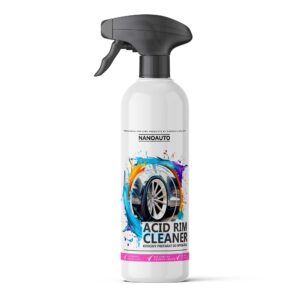
If the rims have very heavy contamination (hard, long-term road deposits, mineral deposits, heavily baked-on dirt), and standard deironization does not provide full improvement, we recommend a "stronger" stage: NANOAUTO ACID RIM CLEANER acidic rim cleanerThis remedy is worth using point or periodically, always on a cool rim, without allowing it to dry and after rinsing off any loose dirt. In practice, the best results are achieved with the following sequence: pre-wash → NANOAUTO ACID RIM CLEANER for mineral deposits/heavy dirt → thorough rinsing → NANOAUTO BLOODY RIM CLEANER like DEIRONIZER to metallic impurities.